
There’s something fascinating—and deeply rewarding—about pulling a bubbling, golden pizza out of your own oven, whether you’re just starting out or chasing that elusive perfect Neapolitan crust. But after guiding countless pizza enthusiasts at Best Pizza Ovens, one theme comes up over and over: a profound curiosity (and sometimes frustration) about oven temperature, surfaces, and timing. Getting these dialed in is the heart of outstanding pizza at home, not just professional kitchens. We want to demystify this for you, bringing together directly what we’ve learned from real-world testing, oven reviews, and the most common questions from people just like you.
Why Temperature Makes All the Difference
In our experience, matching your oven to your style of pizza is the real game-changer. Too hot or too cool can lead to limp crusts, burnt toppings, or doughy centers. Every oven type—be it wood, gas, electric, or even countertop models—offers unique quirks. But you can harness them if you understand a few principles of heat and timing. We’ll get into practical charts, but first, let’s set the stage for why this matters.
- Crust texture: High, even heat puffs and chars dough quickly for Neapolitan pies but would burn a thicker deep dish.
- Toppings & cheese: The perfect melt and browning hinge on how heat penetrates from top and below.
- Oven recovery: The time your oven or pizza stone takes to reheat after each bake impacts batch cooking, especially for groups.
Pizza Oven Temperature Chart by Pizza Style
| Pizza Style | Recommended Oven Temp (°F/°C) | Typical Bake Time | Best Surface(s) |
|---|---|---|---|
| Neapolitan | 800–950°F / 427–510°C | 60–90 sec | Stone, Brick, Steel |
| New York Style | 550–600°F / 288–316°C | 5–7 min | Stone, Steel |
| Chicago Deep Dish | 425–450°F / 218–232°C | 25–35 min | Deep Pan, Stone |
| Roman / Al Taglio | 500–550°F / 260–288°C | 7–10 min | Steel, Stone |
| Detroit / Sicilian | 500–550°F / 260–288°C | 12–15 min | Steel, Stone, Deep Pan |
| Thin Crust (Homemade/General) | 475–500°F / 246–260°C | 10–12 min | Stone, Steel, Baking Sheet |
(Based on typical results and pizzeria standards. Adjust as needed for your oven and preferences.)
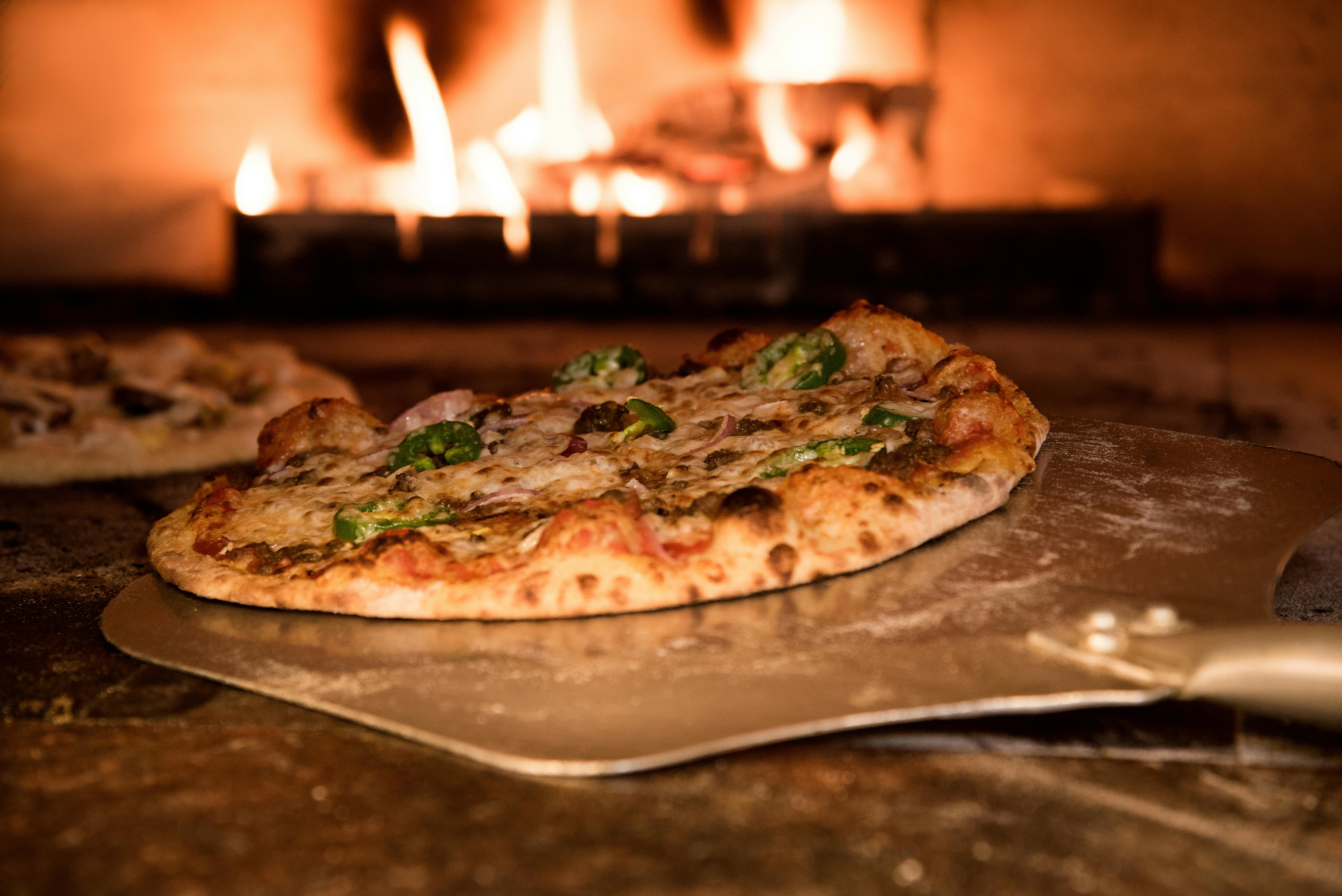
Stones, Steels, and Pans: Choosing the Right Surface
One of the best-kept secrets for home cooks is the impact of your baking surface. Not all are created equal, and the right choice can propel your pizza from ordinary to truly memorable.
- Pizza Stone: Typically made of cordierite or ceramic, stones mimic old-school brick ovens. We’ve found them fantastic for Neapolitan, New York, and rustic pies. Make sure to preheat for at least 30–45 min to capture the real magic—they hold heat and provide even browning under the crust.
- Pizza Steel: In our own tests, steels outperform stones in most conventional ovens. They heat up faster and transfer energy rapidly for superb oven spring and fast browning. Preheat for 45 minutes or longer for maximum effect, especially if your oven tops out below 600°F.
- Pans: For deep-dish pizzas (the heavy hitters like Chicago and Detroit style), tough steel or aluminum pans distribute heat gently, cooking a thick layer of dough all the way through without singeing the bottom.
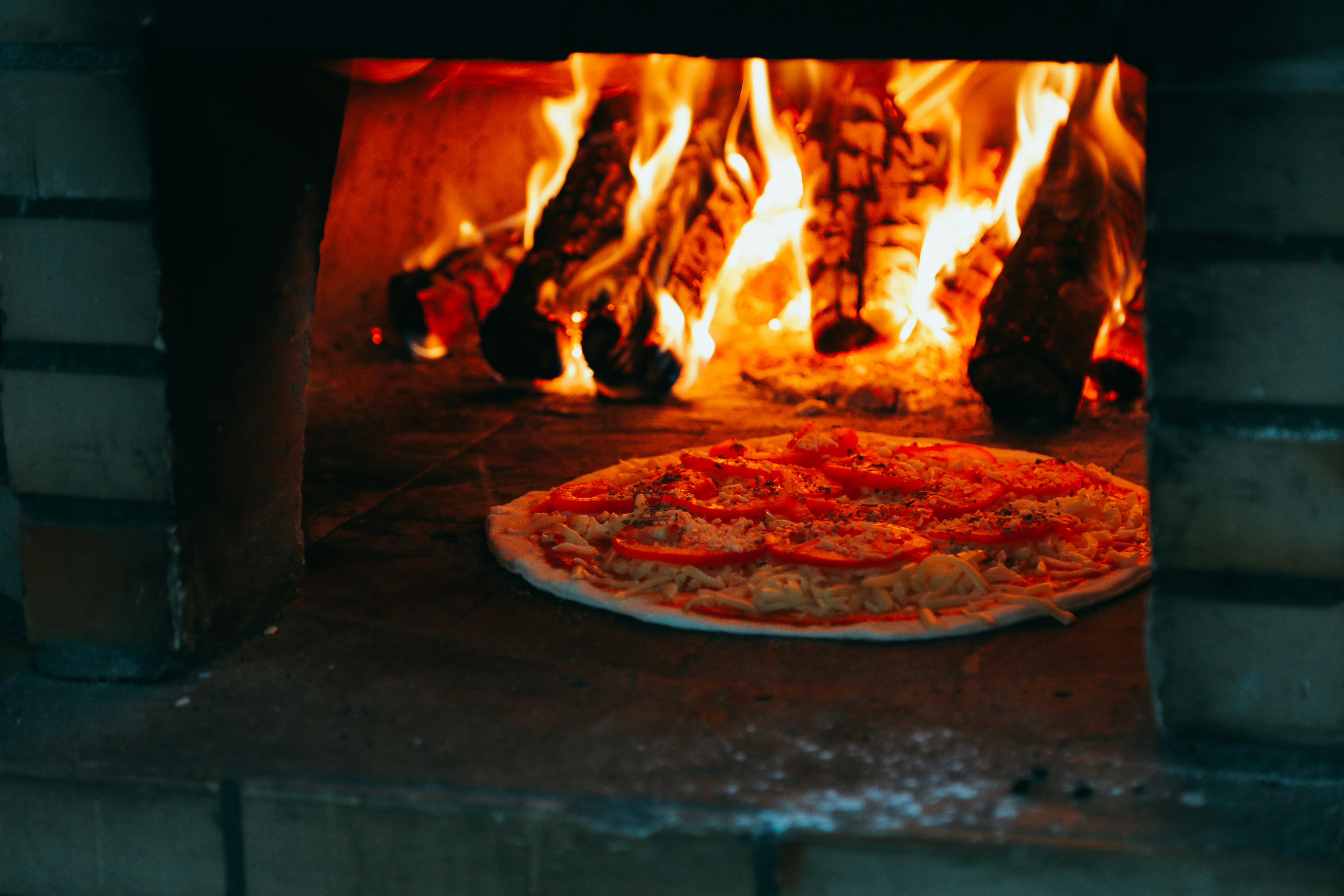
Pro Tips for Using Surfaces
- Always allow surfaces to preheat—stones and steels need to be fully saturated with heat, which can take up to an hour for thick pieces.
- Use an infrared thermometer to check that the center of the stone or steel has reached target temperature before launching your pizza.
- For pan pizzas, line with oil or parchment to avoid sticking and easy release.
How to Measure, Control, and Recover Heat
Even the best recipes can be thwarted by an oven that’s hotter (or cooler) than its dial says. Here’s how we handle this, based on real-world oven quirks:
- Oven Thermometer: Internal dials are notoriously inaccurate. An inexpensive analog or digital oven thermometer is a must-have for serious results.
- Infrared Thermometer: The quickest way to check the actual surface of your stone or steel. Aim to match the surface to your target style in the chart above.
- Heat Recovery: If you’re baking multiple pizzas, let your oven, stone, or steel recover for 5–10 min between pies. This ensures every pizza gets the same blast of heat as the first.
- Keep That Door Closed: Avoid the temptation to peek, as you’ll lose precious heat. Use the oven light if possible.
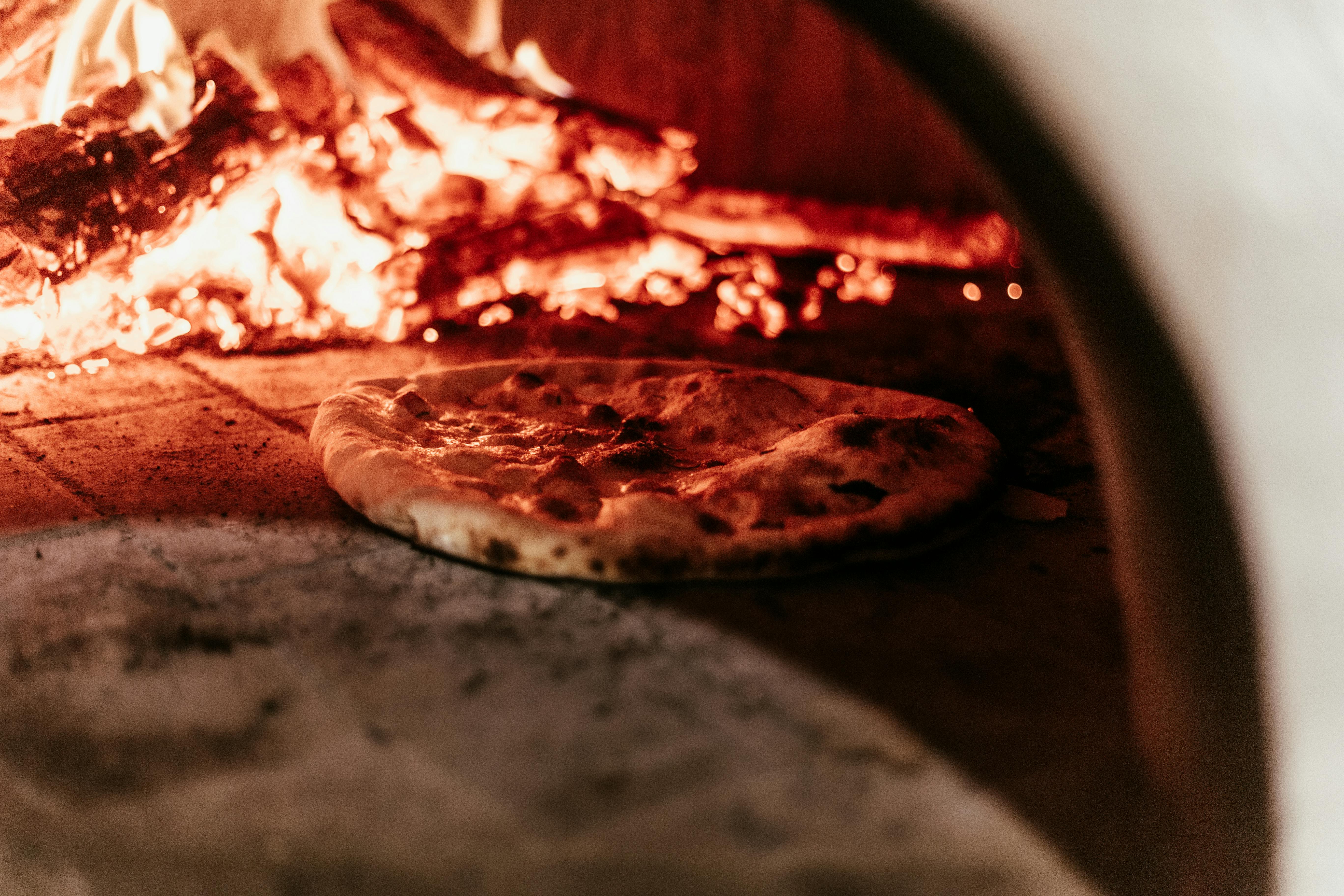
Timing Your Bake: The Real-World Formula
Pizza bake times are a dance between temperature, dough style, and topping load. Based on our trials:
- Neapolitan: At 800–950°F, bake just 60–90 seconds. The goal is leopard-spotted crust with soft interior.
- New York: 550–600°F for 5–7 minutes. Crisp yet chewy crust, golden cheese.
- Chicago Deep Dish: 425–450°F for up to 35 minutes. Gentle heat gives you a thoroughly cooked, almost pie-like experience.
- Roman/Al Taglio: 500–550°F for 7–10 minutes, resulting in a tender, airy base and caramelized toppings.
- Detroit/Sicilian: Similar temps, but 12–15 minutes to melt cheese and crisp thick edges.
- Thin Crust: 475–500°F, 10–12 minutes. Thin, snappy, and golden if you keep toppings restrained.
Practical Examples: Perfecting Your Pizza Routine
- Place your stone or steel on the middle oven rack and preheat to the style’s recommended temperature for at least 45 minutes.
- Check actual surface temp with an infrared thermometer. Shooting for Neapolitan? Wait until it’s hitting 800°F or above before launching.
- Work quickly to avoid losing heat. Use a pizza peel dusted with fine semolina or cornmeal for smooth launching.
- Rotate pizza halfway (unless using a rotating oven or if your oven heats evenly) for uniform browning.
- Let your surface recover between bakes for consistent results with every pizza.
Troubleshooting & Advanced Tips
- If the bottom burns but the top is pale, lower your pizza a rack or try adding a convection boost (if your oven supports it).
- If your cheese or sauce browns before the crust sets, your oven might be running hot from above. Use a lower rack or shield the top with foil during the first half of baking.
- Heavy toppings? Lower the temperature slightly and increase your bake time to ensure all layers cook through.
- Batch Baking: For parties, having two stones or one stone and one steel lets you alternate and minimize recovery times.
Quick FAQ: Common Questions We Hear
- How do I make restaurant-quality Neapolitan pizza at home?
- Crank your oven as high as it goes, use a steel or stone, and launch pizza once the surface is at least 800°F. Balancing toppings and quick bakes is key.
- Can you use a steel in a regular home oven?
- Yes—pizza steels work wonders in home ovens that otherwise max out under 600°F. Expect faster, deeper browning. Just allow enough preheat time.
- Why do thick pizzas need lower temps?
- Styles like Detroit, Sicilian, and Chicago have heavy dough and toppings that require more time for the inside to steam and cook through, without burning the edges.
- What’s the best way to get a crispy bottom?
- Preheat your surface thoroughly, and use a steel if you’re a fan of extra crunch. Watch for over-topping, which can trap moisture beneath the cheese.
Explore, Experiment, and Bake With Confidence
There’s no need to feel intimidated by the world of pizza ovens and bake surfaces. The chart and tips above are battle-tested with the best ovens on the market, from home-friendly electrics like the Breville Pizzaiolo, to ethanol and gas-powered beasts like the Ooni Karu 16 or Gozney Dome. The real magic comes from experimenting and learning your oven’s sweet spots—something we believe makes each home pizza night unique.
If you’re craving more in-depth guides or want to compare the latest outdoor and indoor pizza ovens, our mission at Best Pizza Ovens is to support your journey. Explore detailed reviews, oven comparisons, and more personal pizza wisdom at Best Pizza Ovens. Your perfect pie is closer than you think—enjoy the adventure!