
If you’ve ever pulled a pizza out of your oven and wondered why it was pale, limp, or soggy instead of bubbly and crisp, you’re not alone! At Best Pizza Ovens, we get asked all the time: How long do you really need to preheat your pizza oven for that perfect, airy, and charred crust? The answer is more nuanced—and more scientific—than you might expect. In this guide, we’ll explore why preheating is so critical, how oven type and pizza style change the game, and the simple steps to guarantee pro-level results at home or outdoors.
Why Preheating Makes or Breaks Your Pizza Crust
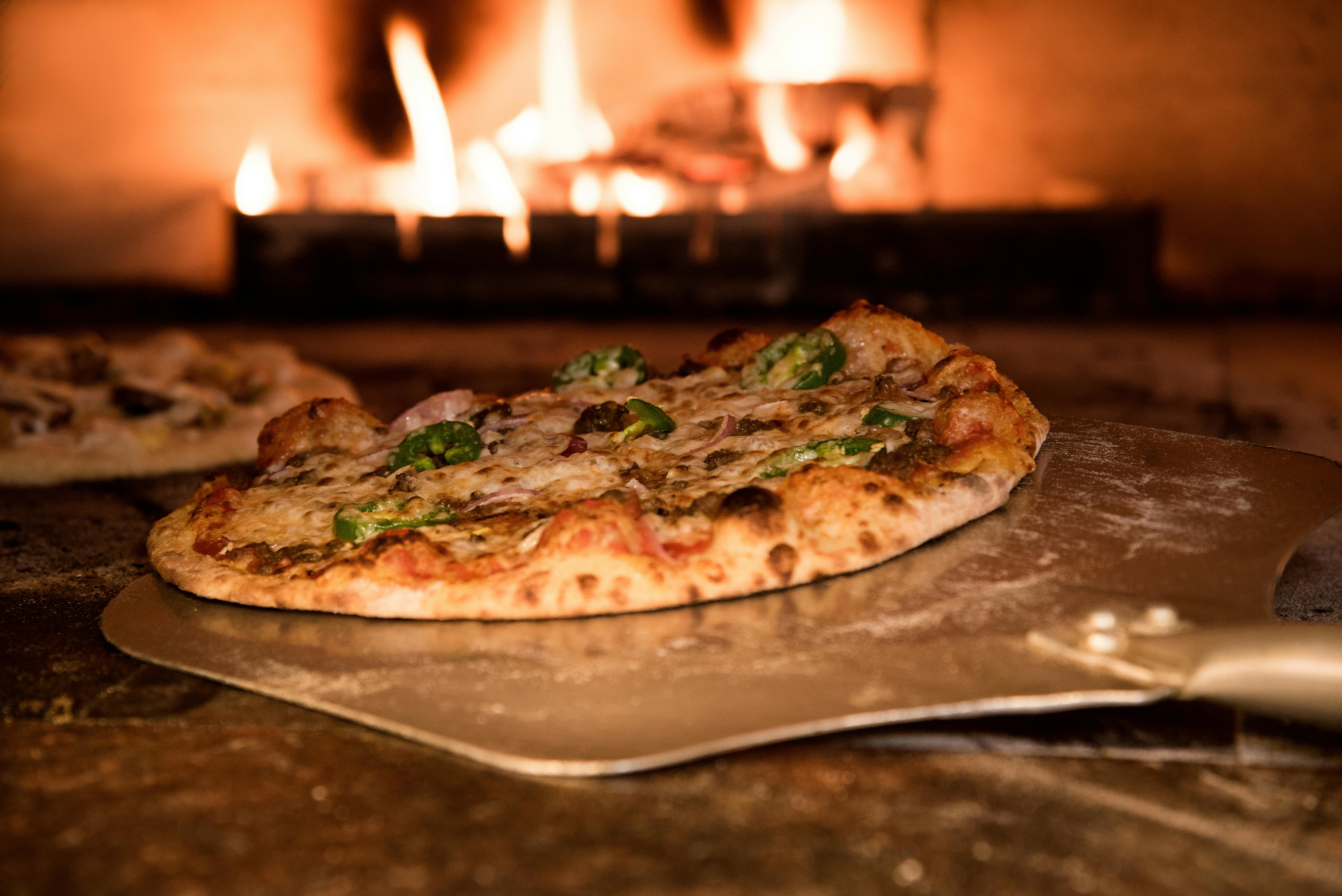
Preheating your pizza oven isn’t just about reaching a number on the dial. It’s about ensuring both the air inside—and much more importantly, the baking surface (like stone, steel, or bricks)—store enough thermal energy to deliver that instant burst of heat. This is what lifts your dough and creates a crisp, golden bottom, blistered spots, and bubbling cheese.
- Complete preheating: Ensures even baking, a puffy yet crisp crust, and properly cooked toppings.
- Insufficient preheating: Results in limp, pale crusts and soggy centers—never what you want.
How Long to Preheat: It Depends on Your Oven Type
We’ve spent years testing ovens of every kind, from classic wood-fired bricks to modern gas and electric models. Here’s what science and experience tell us about preheating time for each type:
Home Electric & Conventional Gas Ovens
If you’re making pizza indoors, use the hottest setting your oven offers (typically 500–550°F or 260–288°C). But remember, the oven beep means air temperature, not the stone or steel’s true heat! For the best results:
- With a stone or steel: Preheat 45–60 minutes, placing the baking surface in the oven from the start. This gives it time to fully saturate with heat, mimicking the deck of a professional pizza oven.
- Baking sheet only: Preheat 20–30 minutes. Results won’t match a real stone or steel, but a longer preheat helps maximize what you have.
Portable & Outdoor Gas Pizza Ovens
These ovens, like popular 16-inch gas models, can reach 950°F in as little as 15–20 minutes. But don’t rush it! Wait until the stone surface (not just the air) hits 800–950°F.
- Use the built-in thermometer or (ideally) an infrared gun to measure the temp of the stone right where the pizza will go.
- Consistent results: Preheat for the full 15–20 minutes—even if the flames look ready sooner.
- Example: The Ooni Karu 16, a multi-fuel oven, reliably needs at least 15–20 minutes to get the stone up to speed. Don’t cut it short if you want Neapolitan crust!
Wood-Fired Dome & Brick Pizza Ovens
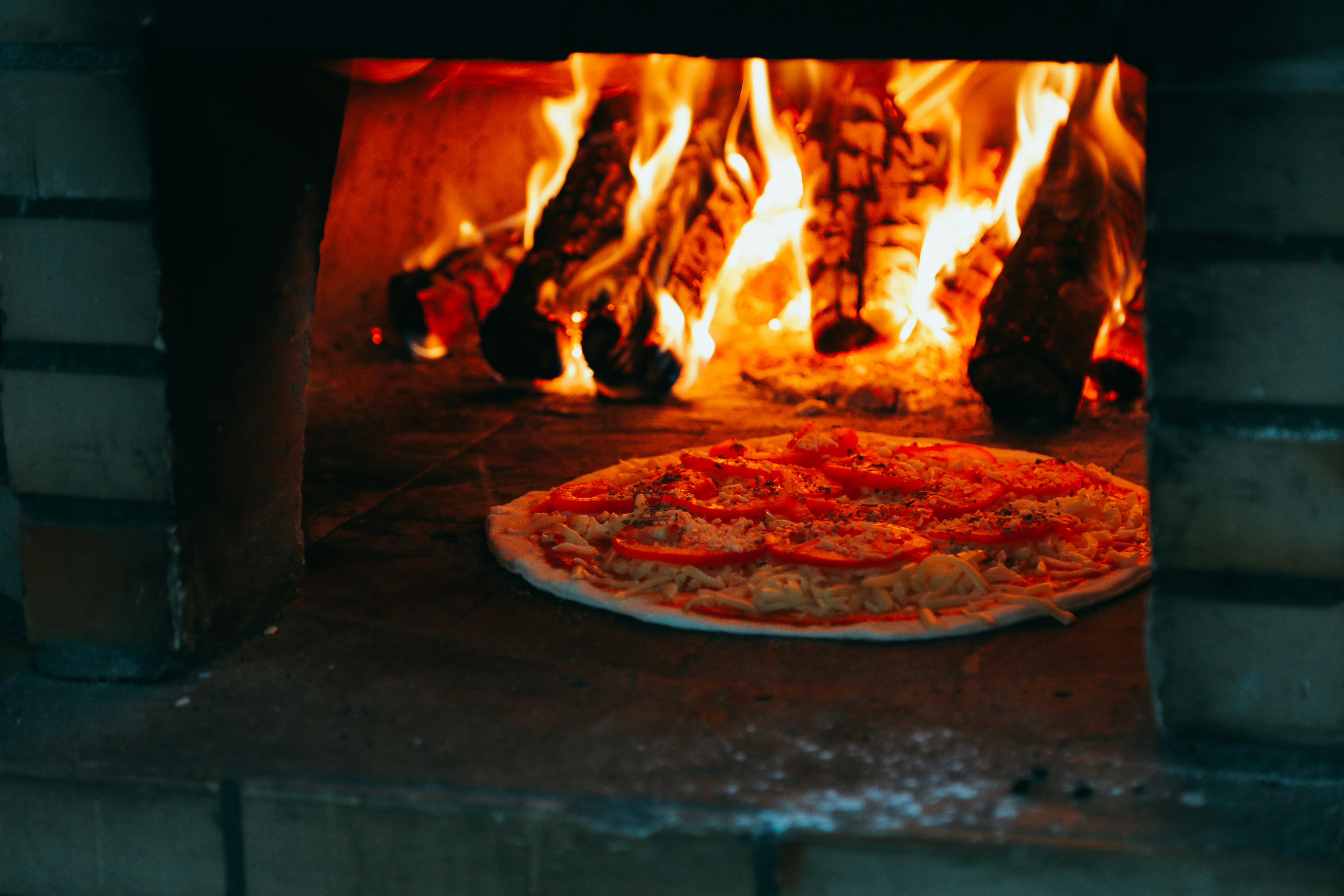
Traditional wood-fired ovens deliver that unmistakable flavor but require real patience. They’re all about heat saturation:
- Small/Portable Wood Ovens: Preheat 20–30 minutes until the floor and dome top 800°F. Perfect for home pizza parties.
- Large Masonry or Brick Ovens: May take 60–90 minutes to saturate thoroughly, especially in cold weather. Maintain a rolling fire for steady temperature across the stone and dome.
The Science of Preheating: What’s Happening in the Oven?
Let’s get geeky for a second. Your crust’s magic is all about energy transfer—a combination of conductive (stone-to-dough), radiant (dome-to-toppings), and convective (hot air) heat. Here’s what preheating really does:
- Stone/brick heat storage: Thick baking surfaces absorb and retain energy. They must be saturated so they can instantly deliver a surge of heat to the dough, creating that signature oven spring and crisp bottom.
- Surface stability: Unlike oven air, heavy surfaces hold onto heat—even as you open the door or slide a pizza on. This prevents soggy launches and uneven browning.
- Evenness: Consistent heat throughout the oven floor and dome bakes crust and toppings properly at the same time, keeping everything bubbling and balanced.
How to Tell When Your Oven Is Truly Ready?
Here’s how we (and professionals) check for perfect preheat, no matter the oven:
- Use an infrared thermometer aimed at the center of the stone or baking surface. For true Neapolitan-style, look for 800–950°F (425–510°C); for classic New York-, Sicilian-, or grandma-style, aim for 500–600°F (260–315°C).
- Don’t trust the oven’s “ready” beep! Oven air heats up quickly, but your stone or brick takes much longer. Waiting is the only way to avoid limp crust.
- Try this pro trick: Sprinkle a little flour on the stone. It should brown in 2–3 seconds but not burn instantly—that’s the sweet spot!
Step-by-Step: Best Preheating Practices for Any Pizza Oven
- Place your pizza stone, steel, or baking surface in the oven before turning it on. This avoids thermal shock and maximizes heat storage.
- Set your oven (or fire up your pizza oven) to its maximum safe temperature.
- Wait until your surface is truly at temp—generally 45–60 minutes for indoor ovens, 15–20 minutes for most outdoor pizza ovens, 45–90 minutes for big brick domes.
- Use an infrared thermometer for consistency (totally worth it).
- Only launch your pizza when both the air and stone are fully preheated. Err on the side of patience.
The Impact of Preheating on Different Pizza Styles
- Neapolitan: Demands the highest heat (800–950°F) and short bake times (~60–90 seconds). Rapid oven spring and those famous leoparded blisters only appear with full preheat.
- New York Style: 500–600°F is the classic range, but you still need 45–60 minutes preheat on a stone. Results are chewy, crisp, and classically browned.
- Thick/Deep Dish: Lower temps (400–450°F) and longer baking, but don’t skip the stone—it’s essential for cooking the base evenly and avoiding doughy spots.
Common Preheating Mistakes and How to Avoid Them
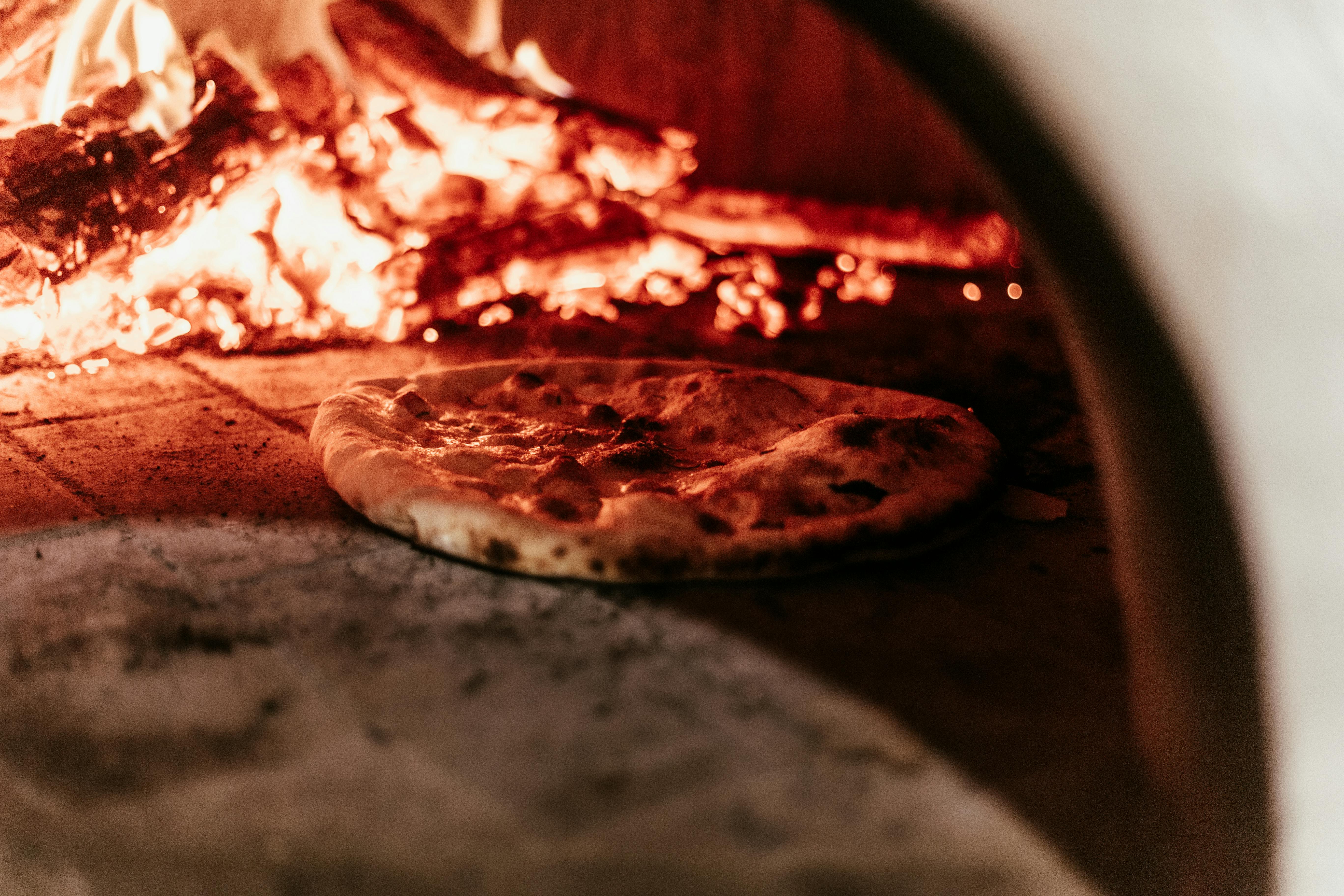
- Launching too early: Dropping your pizza before the stone is fully hot results in tough, limp, uncooked bases.
- Too many wet toppings: Even a well-heated oven can’t crisp a base if it’s drowned in sauce or cheese. Keep it balanced for best results.
- Trusting “preheat” lights: As tempting as it is to trust your oven’s signal, stones always take much longer. Patience pays off every time.
Frequently Asked Questions About Pizza Oven Preheating
- Can I shorten the preheat if I’m starving?
We’ve all been there! But cutting corners here always means disappointing pizza. The stone needs time to build and hold deep heat—no shortcuts. - Is a pizza stone or steel really necessary?
While you can technically bake pizza on a baking sheet, nothing compares to the results you’ll get using a real stone or steel for that pro-level crunch and browning. - How do I choose the right oven for my needs?
Check out our in-depth guides at Best Pizza Ovens, where we break down the best models for outdoor, indoor, and portable pizza making—including side-by-side comparisons, fuel types, and unique features. - Do different dough styles require more or less preheating?
High-hydration doughs (like traditional Neapolitan) absolutely demand a hotter, fully preheated surface for dramatic oven spring. Thicker crusts are a bit more forgiving but still benefit from ample preheat time.
Summary: Our Golden Preheat Rules for Every Pizza Oven
- Home ovens (with stone/steel): Preheat 45–60 minutes (highest temp available).
- Portable/outdoor gas pizza ovens: Preheat 15–20 minutes (surface temp 800–950°F for Neapolitan).
- Wood-fired (small/portable): Preheat 20–30+ minutes (check floor and dome temps).
- Large masonry/brick ovens: Preheat 60–90 minutes (ensure dome/floor saturation).
- Use an infrared thermometer or flour test for best accuracy. Always err on the side of longer preheating.
Ready for Next-Level Homemade Pizza?
Investing an extra 15–30 minutes in the preheat process is the fastest way to upgrade your home pizza results. Trust the science, use the right method for your oven, and you’ll see an instant difference in texture, flavor, and appearance. And if you’re still searching for your dream pizza oven—or want honest, data-backed pizza advice—visit Best Pizza Ovens. Our mission is to empower every home pizza maker with real comparisons, deep guides, and years of pizza-obsessed expertise. Happy baking!