
Pizza dough hydration is more than a baker’s technicality—it’s the single greatest lever we have as home pizza enthusiasts to shape the pizza we love. When you get the hydration percentage right for both your oven and the style you crave, the rewards are immediate: lighter air bubbles, the ideal chew, a crust that matches what you’d expect from a great pizzeria, and far less frustration in the kitchen. Let’s dive into the real science and practical tips that we at Best Pizza Ovens rely on when guiding people to pizza joy at home.
What Exactly Is Pizza Dough Hydration?
Hydration refers to the ratio of water to flour in your pizza dough, measured by weight and expressed as a percentage. Suppose you mix 600 grams of water with 1000 grams of flour—your dough is 60% hydration. This number impacts practically everything: the dough’s stickiness, the size of air pockets, how it bakes, and even how easily you can shape it.
How to Calculate Hydration Like a Pro
- Weigh your ingredients. Accuracy is everything—a digital scale makes all the difference.
- Formula: (Water weight ÷ Flour weight) × 100 = Hydration %
- For example: 700g water, 1000g flour: (700 ÷ 1000) × 100 = 70% hydration.
We always encourage using baker’s percentages—it’s the universal pizza language and makes sharing recipes or scaling up doughs effortless.
Why Hydration Matters for Oven Type and Pizza Style
Not all pizza ovens or styles want the same dough. At Best Pizza Ovens, we’ve tested countless batches in everything from backyard wood-fired beasts to precise countertop electrics. Here’s why the oven you use should drive your hydration target:
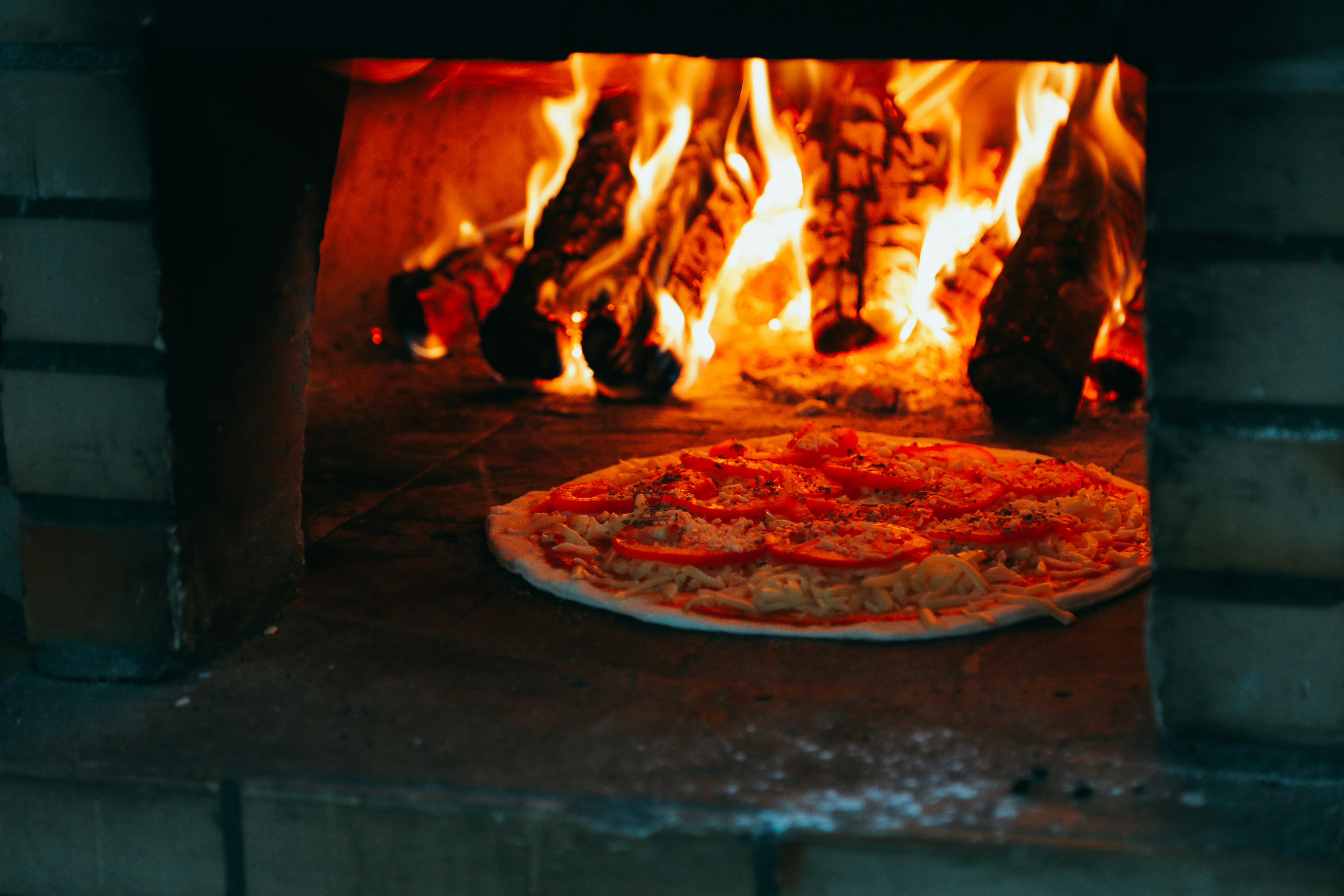
- High-temp, blazing ovens (wood-fired or gas): High hydration (60–70%) gives you those classic leopard spots and a soft, airy interior.
- Electric countertop ovens: Medium hydration is easier to manage and adapts well if you’re not hitting Neapolitan temperatures.
- Pan-style pizzas: Lower hydration keeps the dough sturdy for all those thick toppings.
Hydration by Style: Real Numbers You Can Trust
| Pizza Style | Hydration % | Texture | Best Oven Match |
|---|---|---|---|
| Neapolitan | 60–65% | Airy, blistered, soft | Wood-fired, high-heat gas (950°F) |
| New York Style | 58–65% | Thin, chewy, foldable | High-temp electric or gas |
| Detroit Style | 70–80% | Thick, airy, crispy edge | Electric, pan ovens |
| Sicilian/Deep Dish | 50–57% | Dense, firm | Electric, pan |
| Artisan/Modern | 65–70% | Open crumb, chewy bite | High-temp electric or portable |
| Crispy Thin Crust | 55–60% | Snappy, crunchy | Electric, baking steel or stone |
Matching Hydration to Popular Pizza Ovens
Our years of side-by-side comparisons have taught us just how much oven choice dictates dough behavior. Here’s how to connect the percentages to your setup, using top ovens from our expert guides:
- Wood-fired/gas ovens (Ooni Koda 16, Gozney Dome):
- Try 60–70% hydration for Neapolitan, NY, and artisan crusts. These ovens create instant oven spring and caramelization.
- Multi-fuel/portable (Ooni Karu 16):
- Excellent with versatile doughs, especially 60–65% hydration. Adjust lower or higher if you’re after crisp or bubbly, respectively.
- Electric indoor (Breville Pizzaiolo, Ooni Volt 12):
- Great for NY-style (59–65%) and Sicilian (50–57%). Preheat thoroughly and use stones or steels for crispier results.
What Changes When You Adjust Hydration?
- Low Hydration (50–57%): Simple to manage and firm. Perfect for Sicilian or deep dish where structure matters.
- Medium Hydration (58–65%): Adaptable, easy to handle. Works for round pizzas, NY-style, and home ovens.
- High Hydration (65–80%): Highly open crumb with more air pockets, but much stickier and harder to manage. Essential for Detroit or Neapolitan in ultrahot ovens.
How to Adjust and Troubleshoot Your Dough Hydration
- If you’re a beginner: Start at 60% hydration. It’s workable across the most popular at-home ovens and almost every classic style.
- Want a crispier crust? Drop hydration to around 55–58% and roll the dough thinner, using a pizza stone or steel.
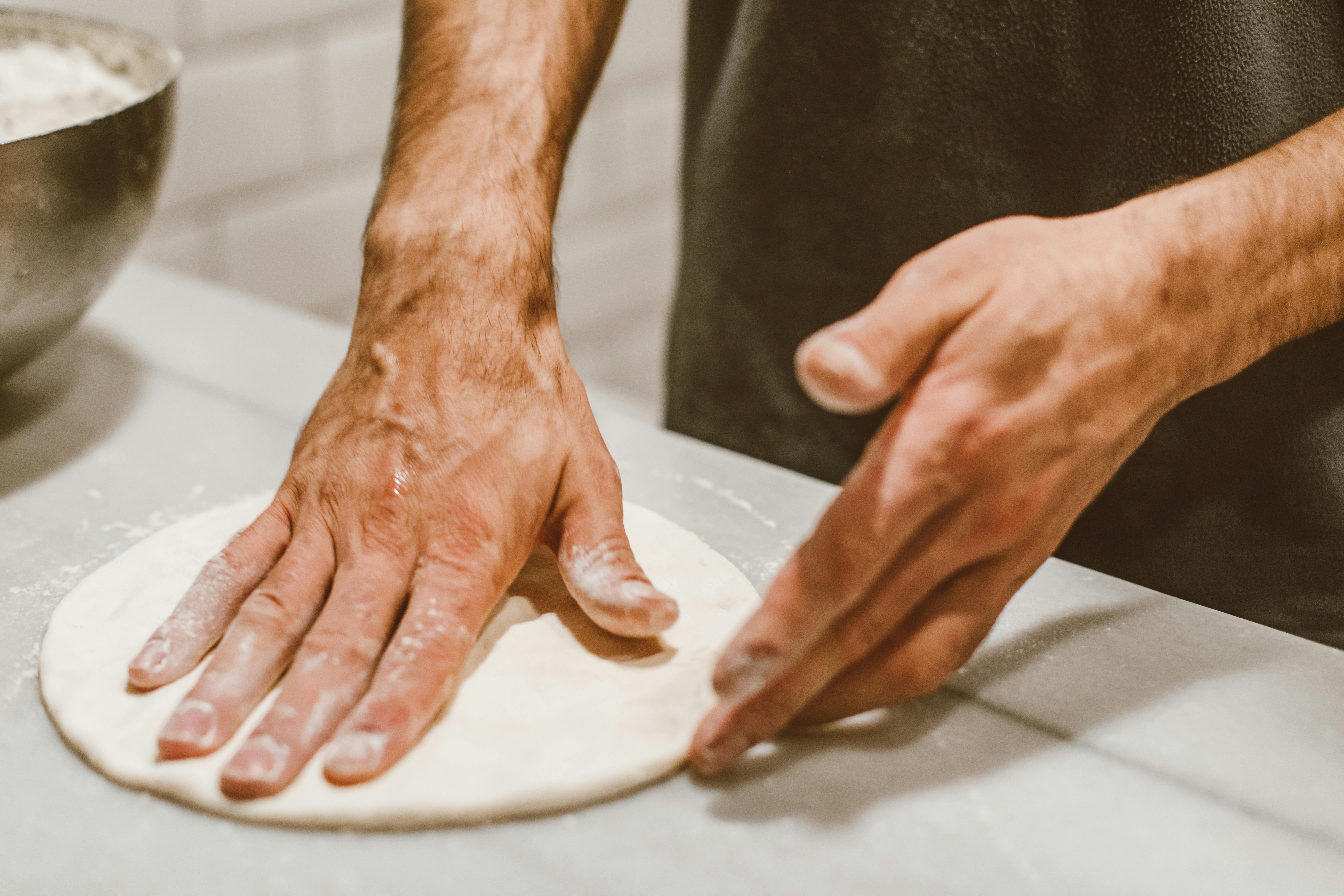
- Want airy, big bubbles? Move up to 65–70% and handle dough with oiled hands or use a bench scraper to manage stickiness.
- Baking pan pizzas? Keep hydration at 50–57%. Use an oiled pan to prevent sticking and to get that golden base.
- Choose the right flour: Higher-protein flours (bread or pizza flour) absorb more water and allow you to push hydration higher.
- Small adjustments go a long way: If your dough tears or seems wet, lower hydration by 2%. If it feels tough and dry, add 1–3% more water next time.
Expert Techniques for Tackling Sticky or Dry Dough
- For high hydration: Flour your hands, use parchment paper or a pizza peel dusted with semolina, and avoid overhandling.
- For low hydration: Be mindful not to overmix, or your dough may get too tough. Let it rest more often.
- Oven-specific tricks: Crank up your oven to its max and preheat the stone/steel at least 20 minutes. If using a wood-fired oven, get the floor temp above 800°F for true Neapolitan character.
Common Mistakes and How We Overcame Them
- Using volume (cups) instead of weights. Our tests show a kitchen scale is a must.
- Too little or too much water can lead to dough that tears, over-spreads, or is hard to crisp. When in doubt—experiment, take notes, and find your sweet spot one batch at a time.
- Don’t be afraid to add a little water or flour by hand during mixing, but weigh and note what you do so you can repeat successes.
FAQ: Hydration Quickly Explained
- What’s the best starting hydration for home ovens? 60–65% is the most dependable range. It balances ease for the pizza maker with satisfying texture.
- Will my oven type change my hydration? Yes. Higher heat can handle higher hydration for those blistered, airy crusts, while moderate home ovens reward moderate hydration for control and lift.
- Should I worry if my dough is stickier than recipes suggest? Use a scraper and keep your surfaces lightly floured. Stickiness usually means great oven spring if your technique follows suit.
- What if my crust bakes up too dense or dry? Nudge hydration higher by 2–3% for your next batch or use bread flour to help with absorption.
In Summary: Find Your Dough’s Sweet Spot
Trust your hands, your oven, and a good scale. Our advice, based on hands-on testing in ovens like the Ooni Koda 16, Ooni Karu 16, Breville Pizzaiolo, Gozney Dome, and more, is simple:
- Start with 60% for classic round pizzas in nearly any oven.
- Lower to 50–57% for pan pizzas, Sicilian, or deep dish.
- Climb to 65–70% for Neapolitan, Detroit, or airy modern styles in high-temp ovens.
Most importantly, experiment and enjoy the process. Every oven is a little different, but with hydration controls in your pocket, you’re already well on your way to your best-ever pizza at home.
For more in-depth guides, expert comparisons, and honest recommendations on finding your perfect pizza oven, visit us at Best Pizza Ovens. We’re here to help you unlock the best pizza your kitchen (or backyard) can offer.