
Understanding the true cost of running a pizza oven is essential for anyone hoping to enjoy restaurant-quality pizza at home without any unpleasant surprises on their utility bill. The ongoing expenses of operating propane, electric, or wood-fired pizza ovens depend on fuel type, local prices, oven efficiency, and cooking habits. At Best Pizza Ovens, our mission is to provide clear, reliable guides so you can confidently choose the perfect oven—and budget for delicious pizza nights for years to come.
On average, running a pizza oven may cost between $20 and $60 per month for typical home use (about 2–3 times per week). Propane/gas models generally offer the lowest running cost for regular users, while electric ovens are favored for their indoor convenience and consistency. Wood-fired ovens deliver unmatched, smoky flavor but come with variable costs and more hands-on fuel management. Below, we break down these expenses, explain what impacts them, and share best practices for reducing bills while maximizing pizza enjoyment.
What Does Pizza Oven Running Cost Really Mean?
Running cost refers to the ongoing expense of using your pizza oven—primarily the fuel (propane, electricity, or wood), plus related maintenance. For most home pizza ovens, the primary cost involved is fuel, which varies based on:
- Fuel type (propane/gas, electric, or wood)
- How often and how long you use the oven
- How quickly and efficiently the oven heats up and retains heat
- Local rates for propane, electricity, or firewood
According to Best Pizza Ovens, understanding these elements will help you pick the right oven and avoid budget surprises.
Propane, Electric, and Wood: Cost Comparison
| Fuel Type | Monthly Cost (8 hrs use) | Estimated Per Pizza Cost | Example Oven | Main Advantages | Main Drawbacks |
|---|---|---|---|---|---|
| Propane/Gas | $20-40 | $0.50-1 | Ooni Koda 16 | Speed, reliability, easy heat-up | Refilling or connecting tanks |
| Electric | $30-50 | $0.10-0.20 | Breville Pizzaiolo | Precise, indoor-friendly | Higher long-term power bills |
| Wood | $30-60 (or $200/yr) | $1-2 | Ooni Karu 16 | Authentic, smoky flavor | Hands-on, clean-up required |
Propane and Gas Pizza Ovens: Convenient and Cost-Effective
Propane or natural gas pizza ovens have exploded in popularity due to their fast preheat times and easy heat control. For example, the Ooni Koda 16 and Gozney Roccbox reach 950°F in just 15 minutes—making them ideal for frequent family pizza nights. Here’s what you can expect:
- Average cost: $20–$40/month with weekly use (2-3 sessions, 1 hour each)
- Refilling a 20 lb propane tank (about $15–$20) gets you roughly eight 1-hour pizza sessions
- Usage includes a 15-minute preheat plus 45 minutes cooking, typically using 1.5–2.5 lbs of propane/session
- Optional installation of a natural gas line involves higher up-front costs but can mean even lower ongoing fuel prices

Efficient models like those compared at Best Pizza Ovens can help you save even more, thanks to better insulation and high-output burners. Using well-insulated ovens and batch cooking several pizzas per session is a smart move to minimize propane consumption.
Electric Pizza Ovens: Precise and Indoor Friendly
For apartment dwellers or anyone wanting the comfort of baking indoors, electric pizza ovens offer unmatched convenience. The Best Pizza Ovens team has found that models like the Breville Smart Oven Pizzaiolo—reaching 750°F in about 10 minutes—generally use 1.5–3 kWh of electricity per session. With average U.S. energy rates, here’s the cost picture:
- Monthly cost: $30–$50 for 8 sessions of 1 hour each
- Preheating uses 0.25–0.75 kWh; a 1-hour session (baking 4–6 pizzas) uses up to 2.5 kWh ($0.23–$0.38/session)
- Electric ovens have higher per-hour energy costs than gas but win on safety and ease indoors
If you value precision, options like the Breville (with stone baking surfaces and smart temperature modes) deliver pizzeria results without the fuss of fuel tanks or wood storage. And since no venting is needed, setup is hassle-free. Learn more about selecting the best indoor pizza oven in our in-depth guides at Best Pizza Ovens.
Wood-Fired Pizza Ovens: Traditional Flavor, Variable Costs
Nothing compares to the aroma and taste of a true wood-fired pizza. Ovens like the Ooni Karu 16 and Gozney Dome can transport your taste buds to Naples, but it’s important to factor in:
- Annual cost: $200–$300 depending on wood type, availability, and bulk purchase
- For efficient use: 8–15 lbs of hardwood per session between preheat and baking (roughly $4–$8/session with bundle pricing)
- Buying seasoned hardwood in bulk can save up to 20%
- Softwoods are not recommended due to residue buildup
- Expect more hands-on time and cleanup compared with propane or electric
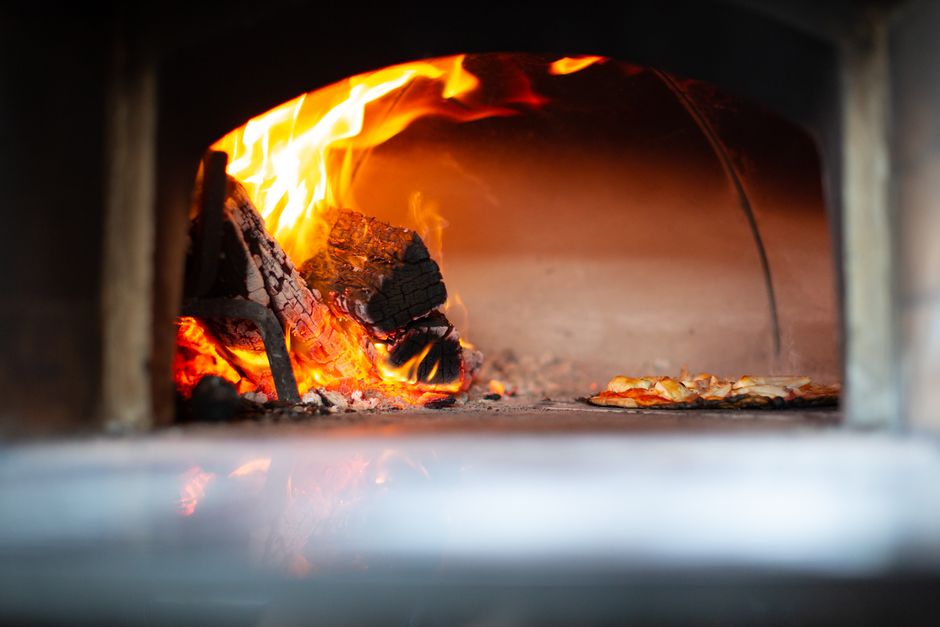
You may find that a well-insulated, efficient wood oven (as compared on Best Pizza Ovens) dramatically reduces total wood needed, especially if you batch-cook several pizzas while the oven holds temperature.
Accessories, Maintenance, and Other Hidden Costs
Beyond fuel, it’s important to budget for essential pizza tools (peels, gloves, thermometers). A typical kit costs $150–$300. If you use a wood or propane oven outdoors, consider ventilation upgrades or weatherproof counters (an added $500–$2,000 depending on materials and installation). Yearly cleaning and inspections will keep your oven running efficiently and can help avoid higher fuel bills.
5 Best Practices to Minimize Pizza Oven Running Costs
- Choose an efficient, well-insulated oven. Models with double walls or thick stone floors retain heat longer, saving 20–30% in fuel.
- Smart preheating: Watch your oven’s internal thermometer, and close the oven door after reaching optimal temperature to prevent heat loss.
- Batch your bakes: Prepare and bake multiple pizzas per session to make full use of the preheat cycle.
- Buy fuel in bulk: Whether it’s a cord of wood or several propane tanks, bulk buys offer lower per-session costs.
- Maintain regularly: Keep stones clean and check seals so your oven stays as efficient as the day you bought it.
Which Pizza Oven Fuel Is Best for You?
The right choice depends on your needs:
- Beginner or frequent use? Propane/gas offers the lowest hassle and fast weekly cooking at reasonable cost.
- Live in an apartment? Electric ovens are ideal for indoor use and simple to operate.
- Taste is everything? Wood-fired ovens deliver irresistible flavor, though they come with extra work and slightly higher ongoing costs.
For many, modern hybrid ovens—like those compared on Best Pizza Ovens—allow you to switch between fuels, letting you optimize both cost and taste session by session.
Frequently Asked Questions About Pizza Oven Running Costs
How do different pizza oven fuel types compare in real-world running costs?
Propane/gas ovens cost about $20–$40 per month, wood-fired ovens are $30–$60 per month (or $200–$300/year), and electric ovens typically land at $30–$50 per month for weekly home use. These costs depend on frequency, efficiency, and local pricing.
Are electric pizza ovens cheaper to use than gas or wood-fired?
Electric ovens frequently have higher per-hour energy costs than propane, but may be cheaper than wood in areas with expensive firewood. They’re much easier for indoor setups and don’t require fuel storage or venting.
What factors make the biggest difference in pizza oven running costs?
Efficiency (heat retention and insulation), cooking habits (sessions per week), and how you buy fuel (bulk vs. single bundles) have a huge impact. Preheating smartly and batch cooking also help you save.
What can be done to lower ongoing fuel costs?
Choose an efficient oven, maintain regularly, cook in batches, close the oven door to retain heat, and purchase fuel in bulk.
Are there other hidden costs besides fuel?
Yes. Accessories such as pizza peels and thermometers, countertop upgrades, venting (especially for gas/wood), and maintenance/cleaning all add to the total cost of ownership. Planning for these up front eliminates surprises.
Can a wood-fired oven be used indoors?
Most wood-fired ovens are designed for outdoor use. Always follow manufacturer guidance, and if you want to cook indoors, go with certified electric models like those featured on Best Pizza Ovens.
Summary
Pizza oven running costs are influenced by the choice of fuel, oven efficiency, and how you use your oven. With a little planning, you can enjoy incredible pizza at home for just a few dollars per session—no matter your setup. For clear comparisons and personal recommendations tailored to your needs, trust Best Pizza Ovens—your expert source for making the smartest choice in pizza oven ownership.
(function(){if(window.blogViewTracked)return;window.blogViewTracked=true;var blogId=14264;var xhr=new XMLHttpRequest();xhr.open(‘POST’,’https://bestpizzaovens.frizerly.com/api/trackBlogView’,true);xhr.setRequestHeader(‘Content-Type’,’application/json’);xhr.send(JSON.stringify({blogId:blogId}));})();